Photography for Beginners in 2024: Master the Basics
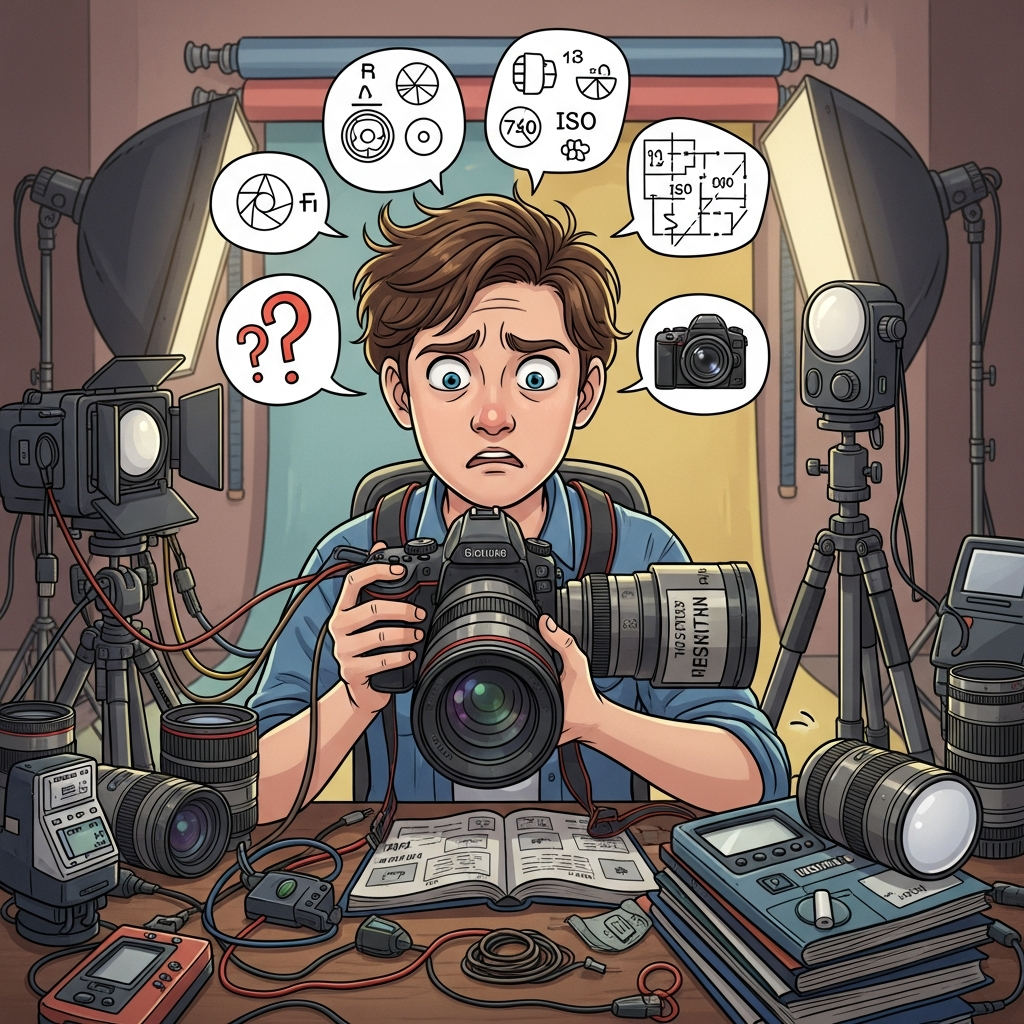
Photography for beginners in 2024 can feel like assembling IKEA furniture without the right tools. Cameras that resemble mini spacecraft, confusing settings, and more jargon than a tech conference can easily overwhelm you. Before rushing to buy every lens on Amazon or over-editing your photos, let’s pause and focus on the fundamentals. Spoiler alert: mastering the basics is the key to great photography.

Why Basics Matter More Than Ever
That flashy new camera might catch your eye, but having fancy gear doesn’t automatically make you the next Ansel Adams. Real photography magic comes from truly understanding your current camera and learning the essentials of exposure, focus, and composition. Impress others not with your gadgets, but with photos that genuinely stand out. Plus, mastering manual controls now makes upgrading later a breeze.
Takeaway: Start with what you have. Get to know your camera intimately before chasing the most advanced equipment.
Beginner Photography Tips to Keep It Simple
1. Use the Camera You Already Own
Your smartphone camera is a powerful tool for photography beginners. DSLRs and mirrorless cameras are fantastic, but loving and learning the one you have now makes all the difference. Familiarize yourself with every button and menu as if memorizing your favorite song. Confidence turns trial and error into stunning shots.
Starter kit essentials:
- Camera (smartphone, DSLR, or mirrorless)
- Versatile lens like a kit lens or an affordable 50mm prime
- Extra memory cards and batteries—never miss a shot due to storage issues
- Tripod (optional but helpful for stability)
- Editing software such as Lightroom or free options like Darktable
Pro tip: Don’t splurge on expensive gear until you’ve mastered shooting in manual mode consistently.
2. Understand the Exposure Triangle
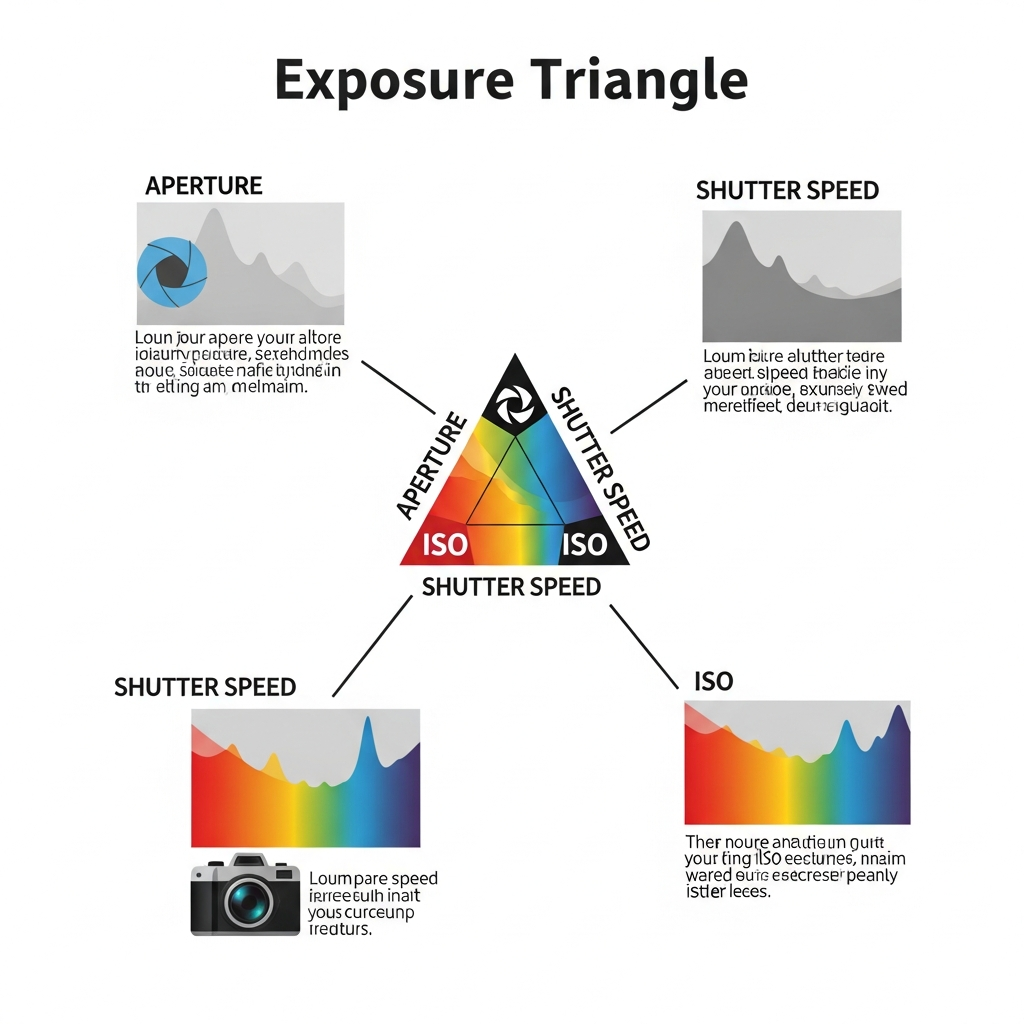
Exposure is the dance between aperture, shutter speed, and ISO—the core elements defining your photo’s look.
- Aperture: Controls depth of field. Low f-numbers create blurry backgrounds perfect for portraits; high f-numbers keep everything sharp, ideal for landscapes.
- Shutter Speed: Fast shutter speeds freeze action; slow speeds blur motion for creative effects like light trails.
- ISO: Low ISO keeps images crisp in bright light; higher ISO helps in darker scenes but can introduce grain.
Experiment with manual or semi-automatic modes to get comfortable—think of it as cooking with pixels instead of pasta.
Remember: Mastering this triangle is what truly makes a photo.
3. Sharpen Your Focus Skills
Autofocus is helpful when used correctly: single-servo mode for still subjects like portraits, continuous mode for action shots like pets or kids. When autofocus struggles, especially in low light or macro shots, try manual focusing. It’s easier than you think and gives you greater control.
4. Composition Is Your Storytelling Secret
Photography isn’t just snapping pictures; it’s about telling stories through framing.
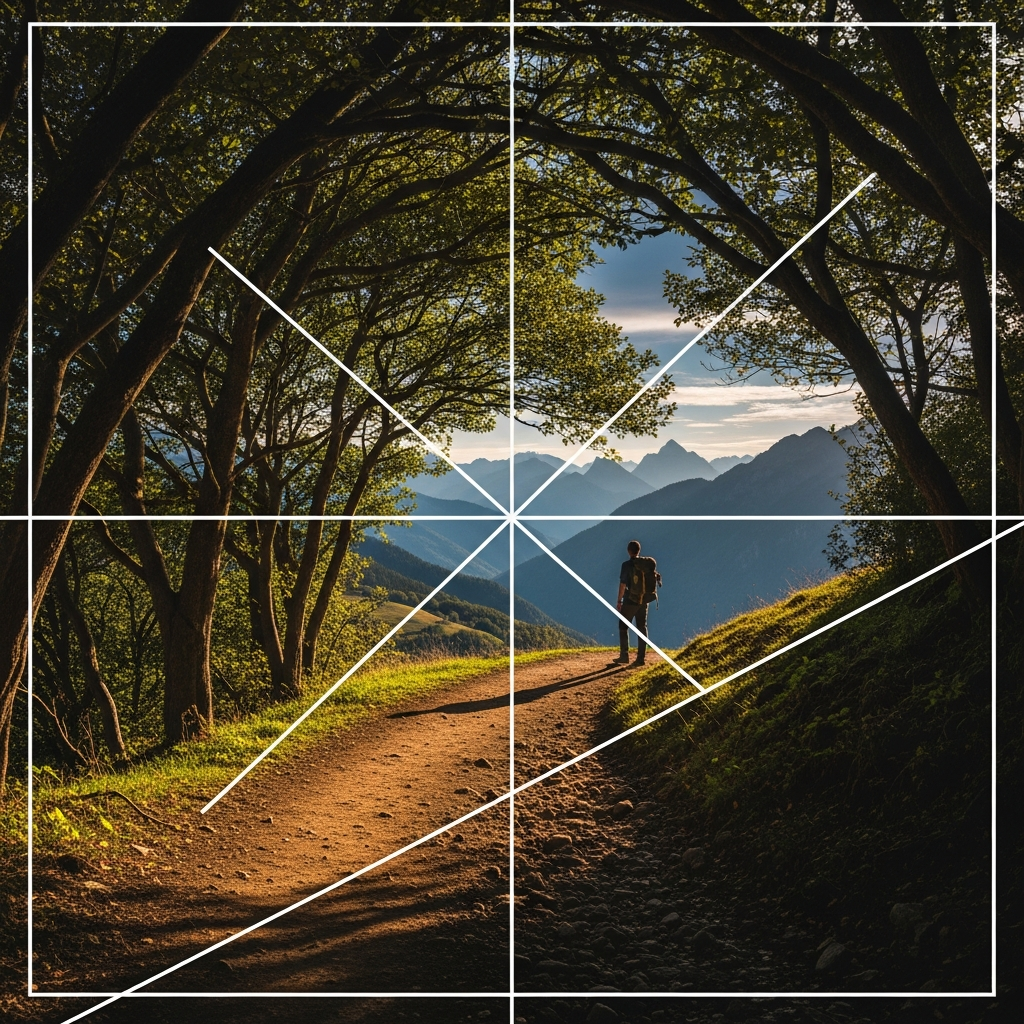
- Rule of Thirds: Divide your frame into thirds and place the subject along those lines or intersections.
- Leading Lines: Use roads, fences, or natural lines to guide the viewer’s eye.
- Framing: Surround your subject with objects like doorways or branches for depth.
- Simplify: Remove clutter to keep your image clean and focused.
- Level Horizons: Keep your horizons straight unless you intentionally want a creative tilt.
Take a moment before shooting to plan your composition.
5. Light Is Everything
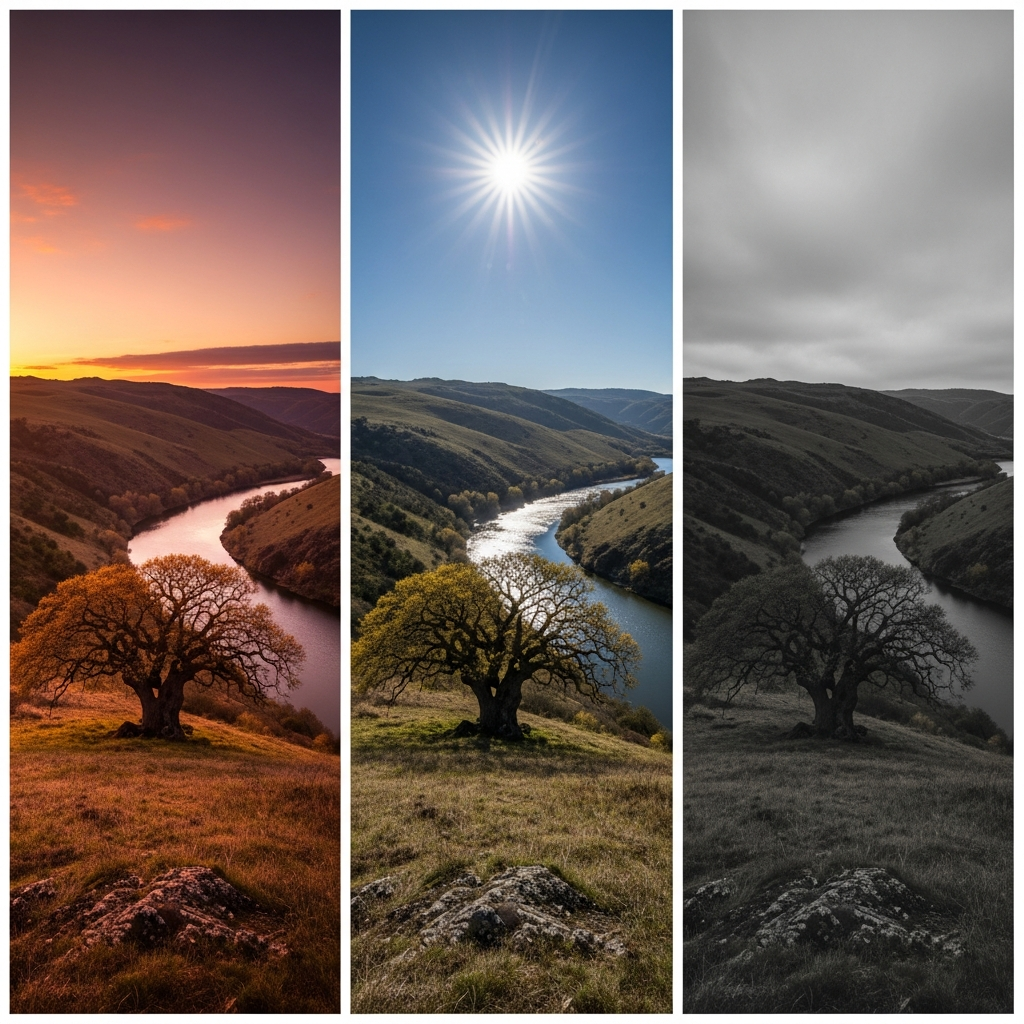
The right lighting can transform your photos.
- Golden Hour: Just after sunrise and before sunset provides warm, soft light.
- Midday Sun: Harsh light creates strong shadows; find shade or use diffusers.
- Overcast: Clouds soften light ideal for portraits and close-ups.
- Direction: Side lighting creates texture; backlighting offers silhouettes or glow effects.
Be attentive to light as it shapes every image.
6. Practice Relentlessly
Consistent practice is the path to improvement. Don’t be discouraged by imperfect shots; each one teaches something new about settings, lighting, or composition. Keep shooting, adjusting, and learning.
7. Experiment with Angles
Don’t stand still. Try shooting from high, low, or unexpected perspectives. New angles reveal fresh shapes and moods. Embrace your creativity—even if others call it weird, it often leads to unique results.
Common Beginner Mistakes
- Relying solely on auto mode limits creativity.
- Ignoring lighting conditions undermines good composition.
- Crowded backgrounds distract from the subject.
- Gear envy overshadows skill-building.
- Not reviewing your photos means missed learning opportunities.
Final Thoughts: Enjoy the Journey
Every famous photographer started confused and frustrated. Embrace the basics, practice with whatever camera you have, and don’t fear mistakes. Each shot is a step toward your photography goals. Remember, photography is art—not rocket science.
Still reading? You’re officially my favorite. Now, get out there and capture something amazing—or at least fun! 📸✨