
Beginner Photography Tips for Stunning Photos
Photography is truly magical—you capture a moment in time and make it last forever. And trust me, no one starts out perfect. Even legendary photographers like Ansel Adams didn’t take flawless shots right away. So, if you’re feeling overwhelmed by your camera’s confusing menus and jargon like “shutter speed” or “aperture,” take a deep breath—I’ve got your back.
Why These Beginner Photography Tips Matter

Let’s be honest, owning the most expensive camera won’t instantly make you a photography star. (Though it might boost your confidence!) What really creates breathtaking photos is mastering the fundamentals: light, composition, and camera settings. Master these, and your photos will go from casual snapshots to impressive images that make people ask, “Did you really take that?”
Whether you’re using your smartphone or a DSLR that looks space-age, these beginner tips will sharpen your skills and elevate your photography game. Plus, you’ll proudly say “I know my ISO” at your next gathering.
1. Prioritize Lighting: Harness Natural Light Like a Pro 🌅
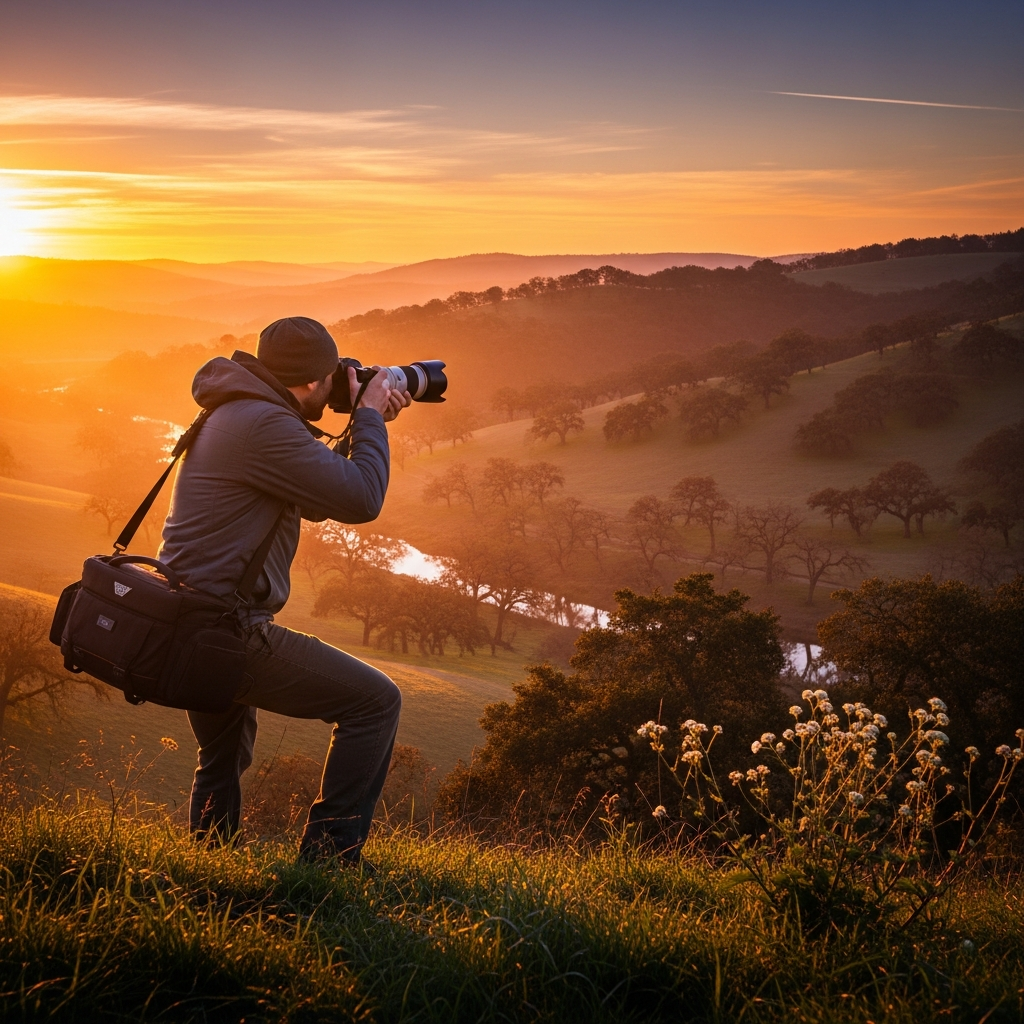
Lighting is the secret ingredient of every great photo. Without it, your picture can look dull or harsh.
- Golden hour: This is the time just after sunrise or before sunset when everything glows with warm, soft light—perfect for stunning shots.
- Avoid harsh noon sunlight: Midday sun casts strong shadows and can make your subjects look unflattering. If you must shoot then, find shade to soften the light.
- Experiment with light direction: Side lighting creates drama; backlighting adds silhouettes and a dreamy glow; front lighting offers even illumination but can be flat.
- Use window light indoors: Your windows act like natural softboxes, providing beautiful light for indoor portraits.
As photography expert Doug Ash says, mastering natural light is a true game changer—it gives your photos that radiant, professional feel.
Takeaway: Light isn’t just what you see; it sets the mood and vibe of every image.
2. Master Basic Composition: Create Balanced, Engaging Photos
Want to turn your snapshots into captivating stories? Composition is key.
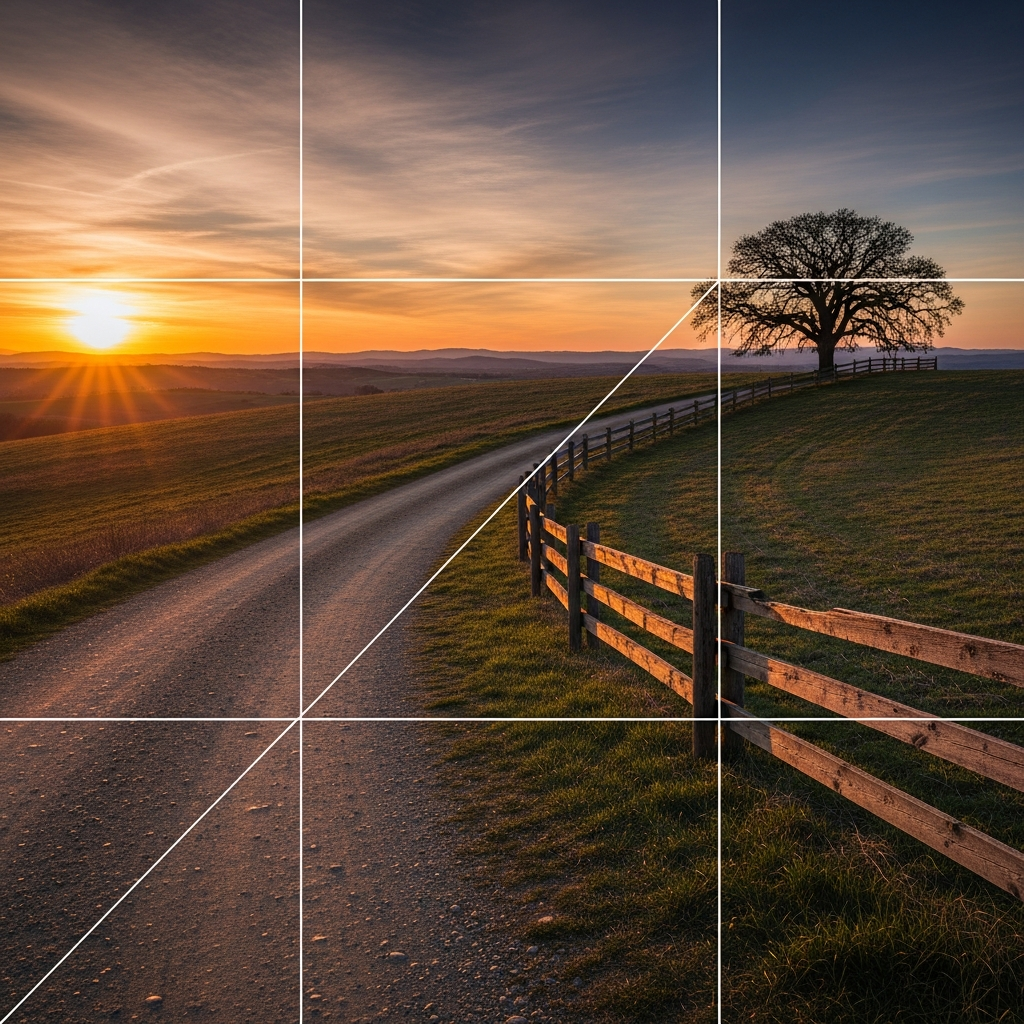
- Rule of thirds: Imagine your frame divided into a 3×3 grid and place your subject or points of interest along the lines or intersections to create visual impact.
- Keep backgrounds simple: Avoid clutter that distracts; let your subject shine without unwanted photobombers.
- Use leading lines: Elements like roads, fences, or shadows guide viewers’ eyes through the photo naturally.
- Fill the frame: Don’t be afraid to get close and make your subject the star.
- Mind the edges: Avoid awkward cropping that cuts off fingers or parts of your subject.
- Try different perspectives: Change your angle by lying down, climbing higher, or tilting the camera to add variety.
Photographer Eric Kim emphasizes that clean, uncluttered edges enhance photo strength—time to channel your inner Eric Kim!
Takeaway: Composition is storytelling through images; structure your shot to communicate effectively.
3. Understand Your Camera Settings: Demystify the Exposure Triangle
The Exposure Triangle might sound intimidating, but it’s simply how aperture, shutter speed, and ISO work together.
- Aperture: Controls how wide your lens opens. A large aperture (like f/2.8) creates a blurry background and artistic effect; a small aperture (like f/16) keeps everything sharp.
- Shutter speed: Determines how fast your camera captures the image. Fast shutter speeds freeze motion; slow speeds create motion blur.
- ISO: Adjusts your camera’s sensitivity to light. Higher ISO helps in low light but can add grain.
Pro tip: Start shooting in aperture priority mode (A or Av), so you choose the aperture and the camera handles the rest—a perfect way to learn exposure.
Takeaway: Learning your camera settings lets you take control, moving beyond automatic modes to creative freedom.
4. Get Closer: Fill Your Frame and Capture Details 🔍

Yes, get physically closer to your subject!
- Capture textures, eyes, wrinkles, or petals to add interest and emotion.
- While you can crop photos later, shooting close maintains image quality.
- Use macro mode or a dedicated macro lens to explore tiny subjects and details.
Takeaway: Don’t hesitate to get intimate with your subject—details tell compelling stories.
5. Practice Regularly and Review Your Work
Great photography moments may feel rare, but practice builds your skill and eye.
- Shoot often—even everyday things like pets, clouds, or coffee cups.
- Review your images to learn what works and identify areas to improve.
- Join photography communities online for constructive feedback and support.
- Challenge yourself with themed photo projects, like focusing on “red” or experimenting with motion blur.
As Matt Haapoja says, “Shoot, review, repeat”—it’s the recipe for steady improvement.
Takeaway: Growth comes with practice and honest feedback.
6. Don’t Obsess Over Gear — Use What You Have
You don’t need the priciest gear to create amazing photos (though gifts are welcome!).
- Fully master your current camera or smartphone.
- Focus on your creative vision rather than just equipment specs.
- Upgrade gear gradually to fit your needs, like adding a prime lens for portraits.
Takeaway: Creativity trumps gear every time. Your best camera is the one you hold.
Bonus Tips for Beginner Photographers
- Shoot in RAW format for better editing flexibility.
- Use semi-automatic modes like aperture or shutter priority as you learn.
- A lightweight tripod helps with low-light shooting and long exposures.
- Try black and white photography to sharpen your eye for shapes, contrast, and texture.
- Embrace mistakes and enjoy the process—it’s all part of growth.
Your photography journey is just beginning, and you have everything you need to create images worth sharing and proud of. Remember: the best camera is the one in your hand right now. So start shooting today and watch your photos amaze!
📸✨